
Westerville Previous Residents by Era
A Westerville address history changes source as it moves backward. The current parcel card supplies the starting land identifier. Franklin's legacy deed indexes offer an early bridge; Delaware's stated online document path begins later. The Westerville History Museum adds local archival material, while census and county probate sources answer distinct date-bound questions. Each source should be cited for what it actually shows rather than made to stand in for a continuous household list.
| Source | Years it covers | Where held | What it can show |
|---|---|---|---|
| Franklin legacy deed indexes | 1804-1913 | Franklin Recorder Legacy or CountyFusion route | Grantor and grantee leads for the land chain |
| Delaware recorded document images | 1990-present online | Delaware Recorder portal | Recorded document images for the Delaware County path |
| Westerville obituaries and wedding notices | 1880-present | Westerville History Museum | Dates, relationships, and local-history leads |
| Historic maps | 1800s-present subject range | Museum and library historic archives | Street, place, and building context |
| Federal census | Released on a 72-year schedule | National Archives and genealogy channels | Dated household evidence requiring original-image review |
Franklin Probate also preserves marriages from 1803 forward and historical births and deaths from 1867 through 1908. A marriage, death, or estate is an event lead. It does not establish a continuing address after the event.
Start Westerville House History at the Parcel
Begin with today's exact Westerville address in the county Auditor system. The City directs 43081 property-tax research to Franklin County and 43082 research to Delaware County, but also cautions that mailing address, post office, and school district can diverge from tax jurisdiction. Capture the county, parcel ID, situs, displayed owner, mailing clue, transfer date or value, tax district, subdivision, and legal description. The legal description is often more durable than a modern street number.
A situs address is the physical land location. A mailing address is where tax correspondence goes. The difference is common and does not show where an owner lives. Parcel ID is the Auditor's identifier for that land unit. The legal description is the lot, block, subdivision, or metes-and-bounds text that carries the same land identity through older documents. These terms are the controls that keep a previous-residents search from joining unrelated addresses.
- Grantor
- The party transferring an interest in a deed or other recorded instrument.
- Grantee
- The party receiving that interest.
- Chain of title
- The sequence of recorded transfers tied to the same parcel or legal description.
- Legal description
- The land wording used to compare parcels and deeds across time.
Follow a Westerville Deed Chain Backward
Once the current parcel is known, open the latest recorded transfer in the appropriate county system. Copy the document number, recorded date, grantor, grantee, and legal description. Next search the latest grantor as a grantee for the earlier acquisition, then compare the legal description before continuing. A parcel sale date is a navigation clue. It is not a complete abstract or proof that every transfer has been located.
- Find the current parcel card and copy the parcel ID, legal description, and transfer clue.
- Search the proper Recorder by parcel, named party, subdivision, legal description, or document number.
- Open the latest deed and verify the legal description against the parcel card.
- Search the seller as an earlier grantee and repeat the same description check.
- Pause for a plat, probate transfer, mortgage release, name change, or trust entry that changes the apparent chain.
Franklin Recorder does not index street addresses, so an address-only search cannot replace this parcel and legal-description method. Its Cloud Search supports party, subdivision, document-type, document-number, recorded-date, and full-text OCR routes. OCR hits can be useful leads, but the deed's actual parties and legal description are the evidence to compare.
Note: Recorder staff can explain how a search works, but they do not perform an extensive title search for the public.
Westerville's Two Recorder Timelines
Westerville previous residents research has a built-in county comparison. Franklin Recorder's Legacy route names deed indexes from 1804 through 1913, while its Cloud Search serves the broader modern recorded-document collection. Delaware Recorder's advisory identifies 1990 as the online image boundary: documents recorded after that point can be viewed and printed through the recorder website, while earlier records call for office or counter research. The different cutoffs are access boundaries, not the dates when land records began.
For Delaware County research, the Delaware recorded-document portal is the online starting point once the parcel county is known.
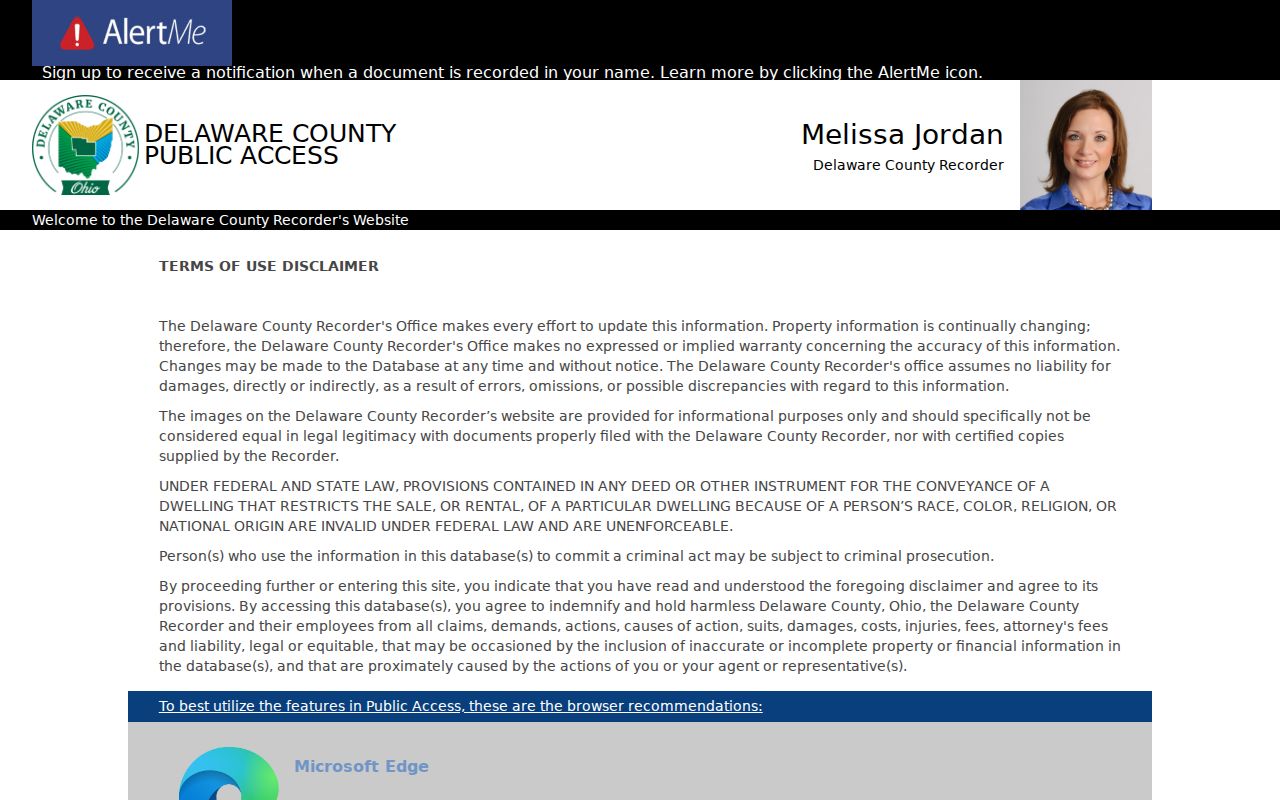
The online interface belongs to the post-1990 Delaware path; a pre-1990 request should include parties, an approximate recording date, book and page if known, and legal-description detail.
Recorder comparison. Franklin offers the 1804-1913 legacy index, while Delaware documents a 1990 online-image line. The parcel county decides which timeline applies.
Westerville Previous Residents Need Household Sources
Land documents show parties to a transfer, not everyone who lived at an address. To add a household layer, search the Westerville History Museum catalog by surname, street name, alternate street form, business, school, or building name. The Museum reports more than 50,000 scanned images and documents from the 1800s forward. Its obituaries and wedding announcements begin in 1880, and its collections also include historic maps, oral histories, house images, school material, and local organizations.
Use a dated obituary or announcement as a lead to another source, such as an estate case, death index, census image, or deed. The Museum's cited 1913 Westerville Directory, item D10022 in File on Directories D10, is a confirmed artifact. Its entry text and any reverse-directory format were not exposed in the research, so request the item or ask staff for the exact local holdings rather than assuming a standard directory layout.
The Franklin County Probate certified-records information shows one county channel for historical records and copy requests.
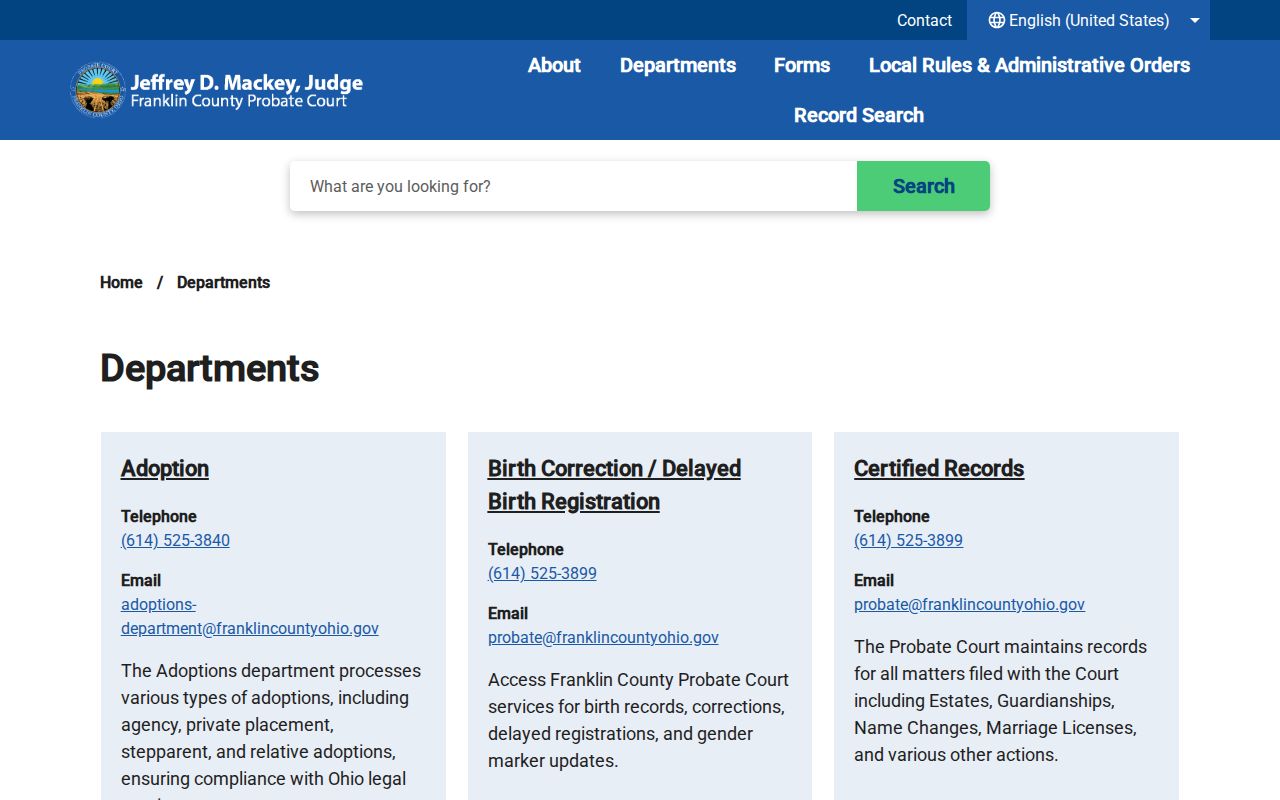
Probate records can connect an estate or marriage event to a dated person record, but they do not certify who occupied a particular house over time.
Map Westerville Addresses Through Time
Maps identify place and building context, not household membership. The Westerville History Museum holds historic maps, while the library's Sanborn access supplies Ohio fire-insurance map material from 1882 through 1962. The inspected source does not enumerate particular Westerville sheet years. Check availability for the needed year before treating a map as evidence. A Sanborn sheet may show a footprint, construction material, use, or street layout. Pair it with a dated directory, newspaper, deed, or census record.
The Museum's 1856 Franklin County map project is a useful boundary marker because it depicts Westerville in Blendon Township before municipal incorporation. It cannot be converted directly to a modern street number. Use an intermediate chain of older plats, legal descriptions, deeds, and maps. Westerville's first annexation ordinance dates to 1872, and later growth means a modern City label can obscure the historic township or county trail.
For census work, match the directory or archive date to a released federal census year and examine the original image, enumeration district, and address details. Census release follows the 72-year schedule. A move, a changed street label, or an entry naming one adult can create gaps that should remain visible.
Date Westerville Changes With Permit Records
Physical changes to a Westerville property can sharpen an address timeline. Planning & Development lists planning, zoning, and building-review applications, and requires an Address Request Form before a new building or new utility structure permit. Ask the City for a narrow set of existing records: final permit, application, inspection result, and address-assignment file for a named situs and date span. That is more likely to find a maintained record than a request for all material related to an address.
Under the Ohio Public Records Act, R.C. 149.43, a custodian can supply existing nonexempt records and apply lawful redactions. A request may be oral, and the office may explain how to narrow an overly broad request. At a city-edge location, confirm whether the property was in Westerville's jurisdiction during the requested period. The permit holder may be an owner, agent, or contractor, so a permit should date work, not settle residence.
Westerville Backward Trails Move Offline
When the online index stops, change channels instead of declaring the address history over. Delaware's historical records route includes the Records Center for older county material, and the Recorder counter handles documents outside the stated online period. Ohio History Connection's Archives & Library in Columbus offers catalog, reading-room, and research-guide paths for land, vital, naturalization, newspaper, religious, military, and other record groups. Historic Westerville research should be searched by county and township as well as city name.
The Delaware County Records Center is a county archive channel for older material that may not appear in the online Recorder view.
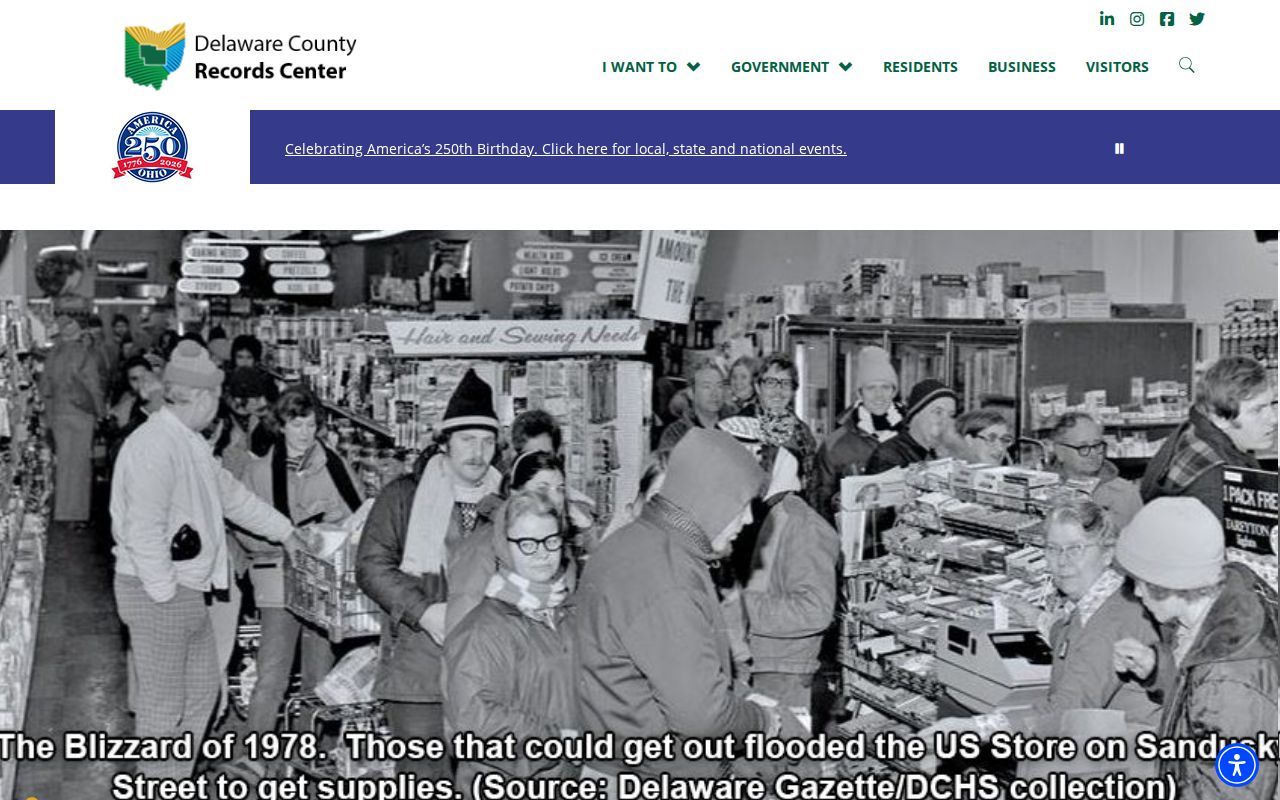
Bring the parcel's county, legal description, names, and date range to the archival inquiry so staff can route the request to the right series.
Westerville Voices and other Museum oral-history material can add a local name or place clue. The Westerville Voices archive is an example of that contextual route.
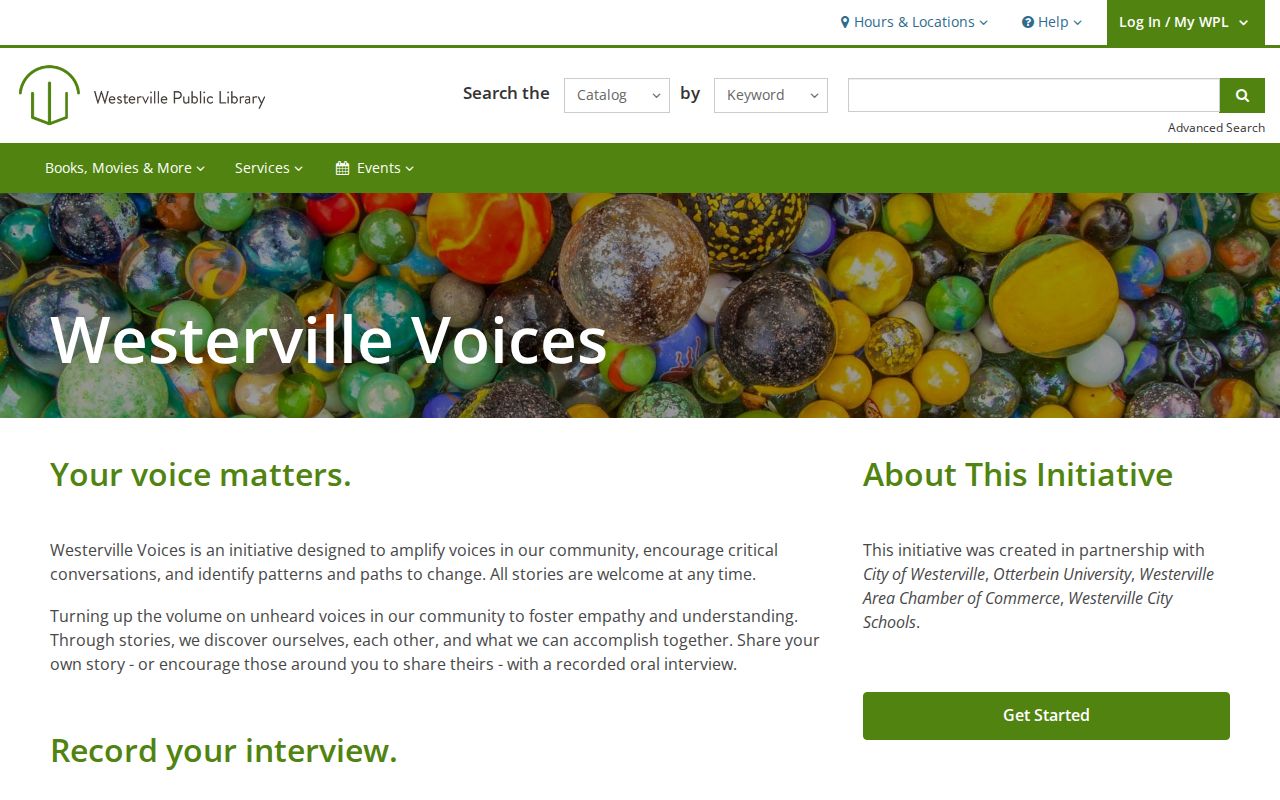
Oral history is useful for locating a collection, event, or former place name, then should be corroborated with dated primary records.
Westerville Previous Residents Require Care
Older land and archive records can support family history, estate research, and a house timeline, but they should not be turned into claims about current residents. A tax owner may use another mailing address. An obituary can identify family relationships without establishing their current locations. A cemetery or probate entry has its own date and purpose. Keep each source's date, record type, and county visible when comparing it to a Westerville address.
Protected addresses are not gaps to reverse-engineer. Ohio Safe at Home and other confidentiality rules can limit public address information, and vehicle and utility records are not ordinary address-history sources. Correct a factual error at the Auditor, Recorder, or other custodian that created it.
Lawful use. Use Westerville address history for personal, estate, archival, and family research. Do not use past-record details to stalk, harass, intimidate, or harm anyone.