
Westerville City Directory Holdings
Westerville's historical directory shelf is best treated as a set of confirmed leads, not as a claimed complete roster. The Westerville History Museum, within Westerville Public Library, holds local records from the 1800s to the present and identifies a 1913 Westerville Directory. Columbus Metropolitan Library supplies an important digitized regional path through its city-directory collection. Its Westerville-inclusive telephone and city volumes are useful for a date-specific search, yet they reflect listed subscribers and businesses rather than every person who lived in town.
| Collection lead | Confirmed years or scope | Where held | Access |
|---|---|---|---|
| Westerville History Museum unified records | 1800s to present; 50,000+ digitized images and scanned documents | Westerville History Museum | Catalog search and staff help for physical holdings |
| 1913 Westerville Directory, D10022 | 1913 | Museum File on Directories, D10 | Request or inspect the original item |
| Westerville-inclusive telephone and city volumes | 1906, 1908, 1914, 1915, 1926-1928, 1932, 1935-1936, 1944-1945 | Columbus Metropolitan Library digital collection | Digitized collection, volume by volume |
| Delaware County historical directories | Eleven digitized volumes, 1859-1922 | Ohio Memory | Regional comparison, inspect each volume |
The research did not find a complete official online Westerville publisher list, a verified reverse-directory run, or a claim that every directory year is online. That gap matters. A missing hit may mean the year, format, spelling, or repository is wrong, not that a household was absent.
Westerville Museum Records Beyond Printed Volumes
The Museum's collection gives a directory search local context that ordinary name lists cannot. Its published subjects include people, landmarks, houses, former businesses, churches, civic organizations, city departments, school classes, aerial views, and historic photographs. Obituaries and wedding announcements begin in 1880. Those records can supply a dated relationship, a place name, or a residence clue that makes a directory search more precise. They are archival leads, not substitutes for a certified record or a current address.
More than 50,000 digitized or scanned local items make the Museum an unusually rich historical-records desk. The scale is useful, but each result still needs its item date, title, and source context preserved. A photograph caption can identify a place without proving who lived there. An obituary can point to family links without showing an entire household.
See the library genealogy resources for the local-history and database access path.
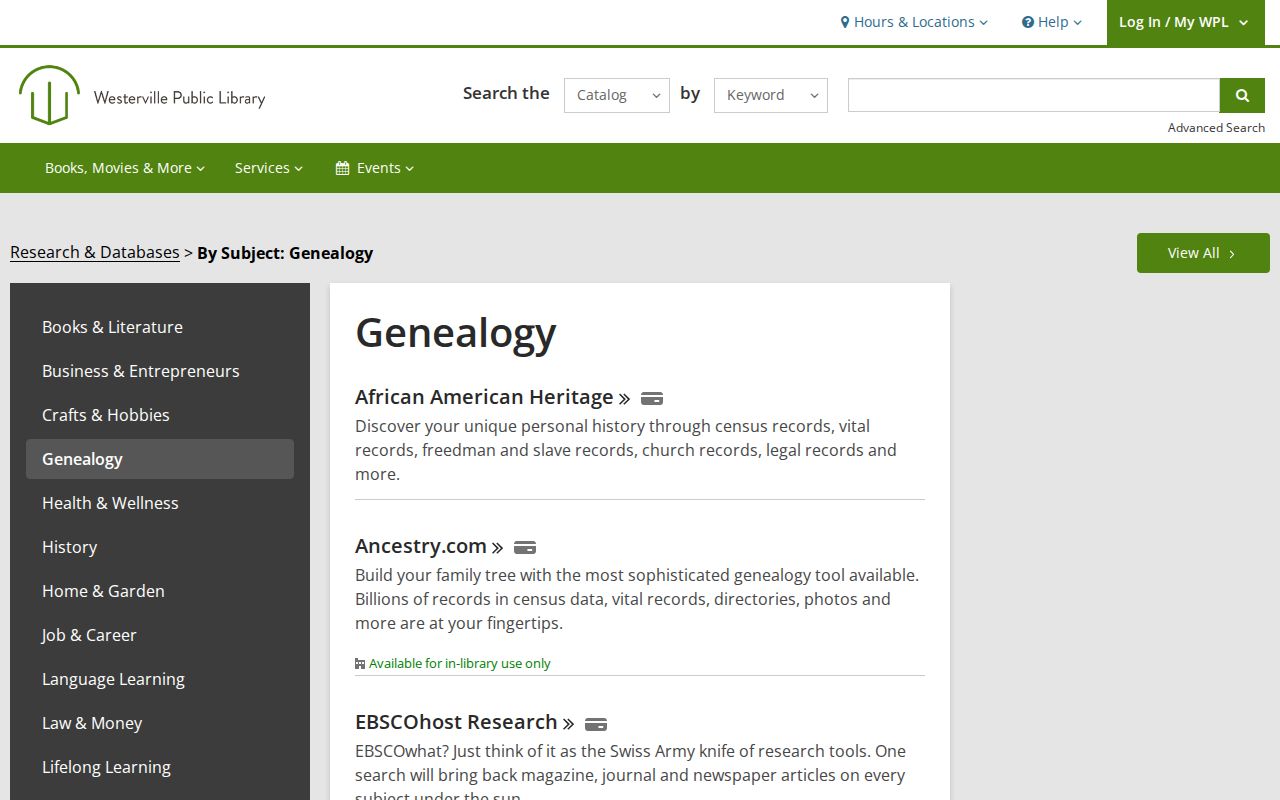
The library resource view is a useful reminder to separate a catalog lead from the page image or original volume that confirms it.
Westerville 1913 Directory Evidence
A specific local directory artifact is confirmed: the Museum narrative cites the “1913 Westerville Directory,” item D10022, in File on Directories D10. That is strong evidence that the item exists and is held locally. It is not evidence of the wording inside any particular entry. The public research did not expose entry images or text, so occupation language, spouse notation, street abbreviations, and owner or renter marks must be read from the item itself rather than borrowed from generic directory conventions.
When requesting this Westerville volume, ask for the page or column containing the name or address, the title page, and the abbreviation key if the volume has one. Record D10022 and D10 alongside the page citation. That small amount of source detail makes it possible to compare a transcription with the original later.
- 1856: a Franklin County map identifies Westerville in Blendon Township before municipal incorporation.
- 1913: the Museum's D10022 directory item is cited in File on Directories D10.
- 2024: the Library combined its digital collection and physical-item finding aid into one Museum catalog.
Note: A known item reference confirms Museum custody, not that every Westerville resident appears in the 1913 volume.
Search Westerville's Unified Museum Catalog
In 2024, Westerville Public Library combined its digital collection with the physical-item finding aid. The unified catalog can be searched by keyword, item name, subject, date created, creator, and digitized status. Use more than one key when an address is old: try a surname, a street-name variation, a business, a school, a subdivision, an old road name, or a building name. A catalog description can reveal a useful date or caption even when no formal directory entry is available.
Catalog access is especially valuable in Westerville because historic materials may identify Blendon Township, Franklin County, or a later city name. Pair the catalog result with a dated directory, deed legal description, census image, or map before deciding that two differently labeled places are the same location.
The Westerville Historical Society offers another local-history context route.
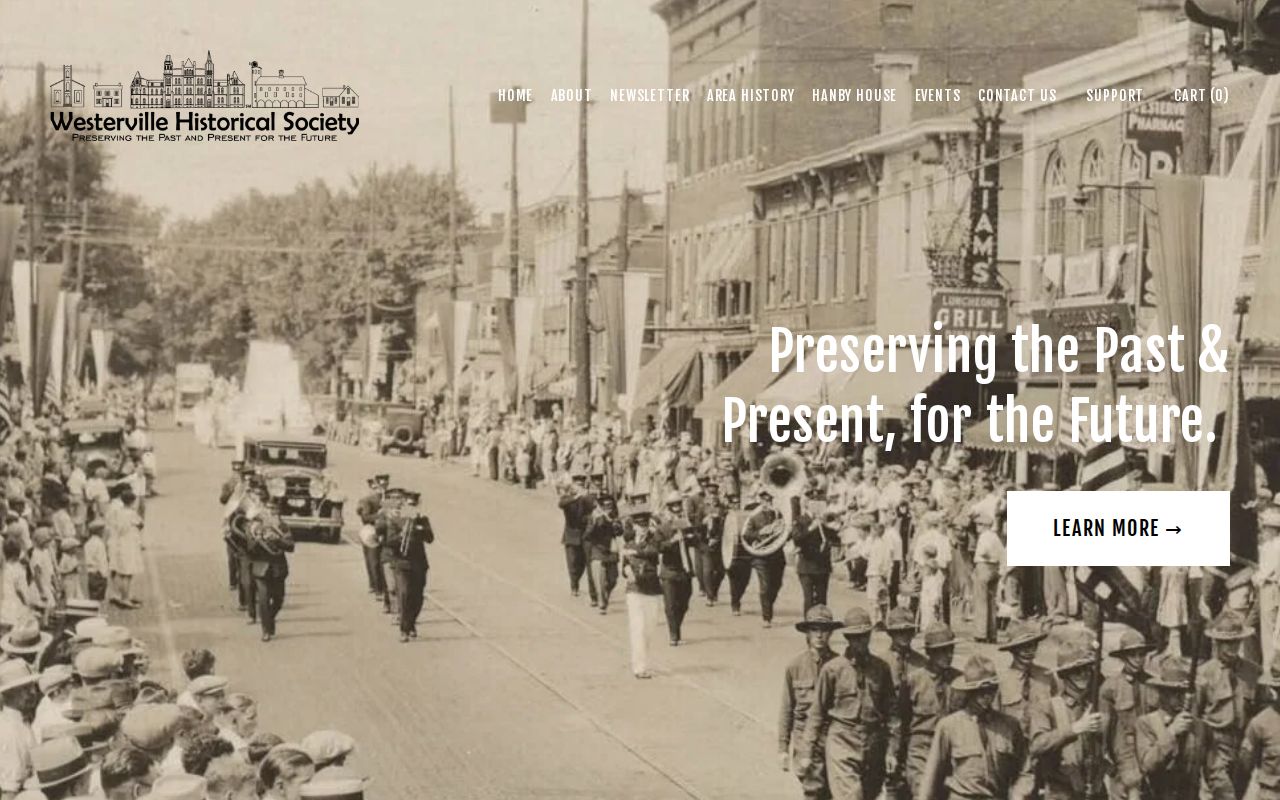
Institutional history pages help identify custodians and collections, but the underlying item or dated record remains the evidence to cite.
Reading a Westerville Directory Item
For the locally cited 1913 item, the confirmed inventory is deliberately short: its title or description, item number D10022, holding reference D10, and Museum custody. Inspect the original before treating any field as present. The table below is therefore an inventory of what is confirmed and what should be captured during inspection, not a reconstruction of a Westerville directory entry.
| Confirmed title | “1913 Westerville Directory” |
|---|---|
| Catalog/item reference | D10022 |
| Holding reference | File on Directories, D10 |
| Confirmed custodian | Westerville History Museum |
| Inspection notes to preserve | Page and column, exact transcription, and any abbreviation key visible in the volume |
Three terms often arise in historical-directory work, but none should be presumed for this issue:
- Criss-cross directory
- A directory arranged by address or street rather than alphabetically by name.
- Householder index
- An index centered on a household head or address, if the particular publication provides one.
- Abbreviation key
- The publisher's explanation of shortened labels, usually found in the volume itself.
A directory entry is strongest when its wording is transcribed exactly and its surrounding page is retained. That avoids turning a typical convention into an unsupported local fact.
Westerville Directories and Old Addresses
An old address needs a date before it becomes a usable search key. The Museum holds historic-map material, and the library points researchers to Ohio Sanborn map resources covering Ohio material from 1882 to 1962. The inspected sources did not enumerate the exact Westerville sheet years, so check the catalog or library access route for the year needed. Sanborn sheets help with building footprint, use, and street layout. They do not name a household.
The Library of Congress has a digitized 1894 Westerville Sanborn item, while the broader Ohio Sanborn collection is the right source to query for other years.
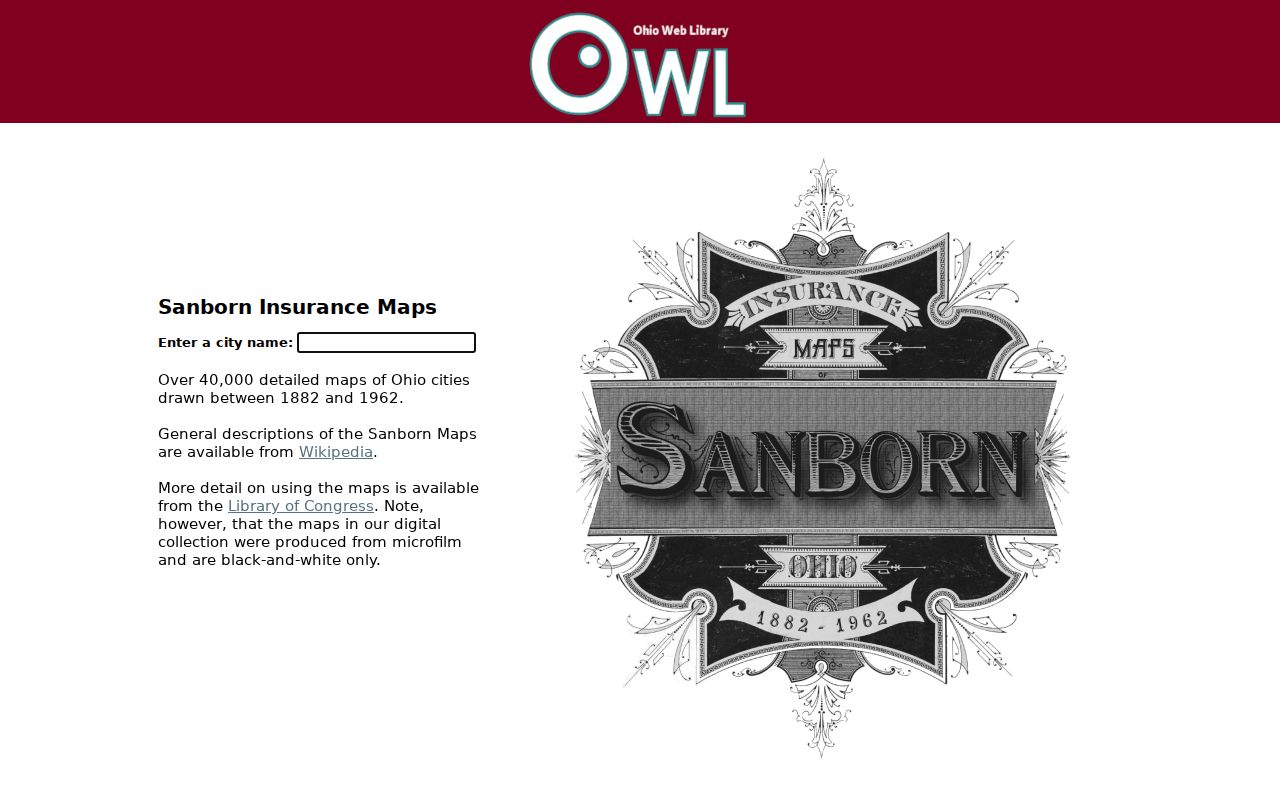
Map evidence works best alongside a directory, obituary, newspaper item, parcel description, or census record from the same period.
Regional Directories for Delaware County
Westerville's two-county setting makes regional comparison useful. Ohio Memory has eleven digitized Delaware County directories dated 1859 through 1922. They can supply names, places, and period context for Westerville's Delaware County side, but they cannot be represented as a complete Westerville run without checking the individual volume. The same restraint applies to Columbus Metropolitan Library telephone books that include Westerville among several communities.
The Columbus Metropolitan Library directory collection is the digitized source for the Westerville-inclusive telephone and city volumes listed above.
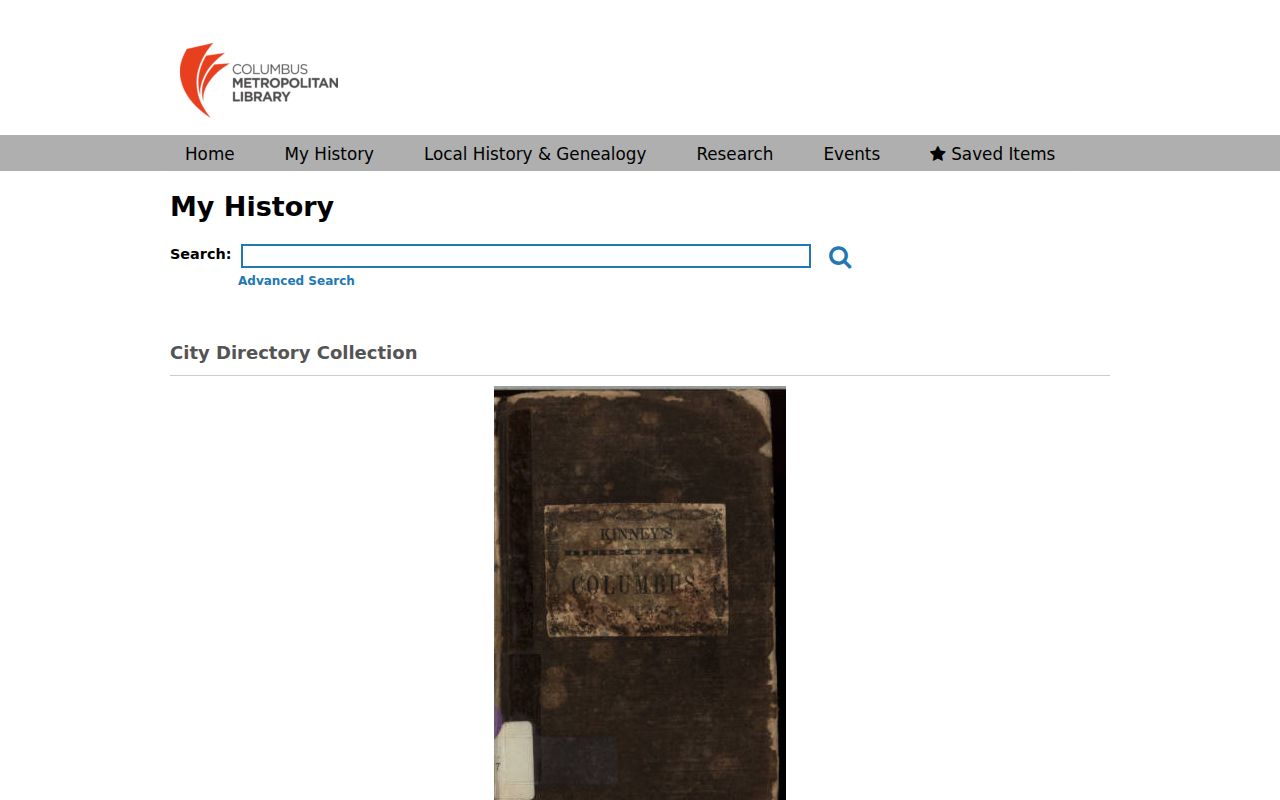
Read the displayed volume title and date before relying on a directory result, because collection descriptions can vary between items.
For an earlier Franklin County perspective, Caldwell's 1872 Atlas of Franklin County includes a Westerville plat and period business-directory material. It is evidence for its own year and format, not a modern or complete list of residents.
This comparison is a Westerville quirk: the postal city and municipal name do not select one historic county collection. County and township can be as important as the surname.
Westerville Directory Leads from Genealogy Databases
The library's genealogy page names several companion resources: African American Heritage, Ancestry.com, FamilySearch, Fold3, HeritageHub, HeritageQuest, Newspapers.com, and Westerville History resources. Ancestry.com and Fold3 are identified as in-library services. HeritageHub, HeritageQuest, and Newspapers.com can extend a local surname, street, or business clue into obituaries, census material, local histories, or newspaper pages, subject to their stated access conditions.
A fruitful comparison is between a directory's narrow annual clue and a newspaper's dated narrative. Neither replaces the other. Keep the publication title, date, and page with each finding, then check whether the address and county description are consistent. The Otterbein University Archives is another institutional source for local and university-related materials.
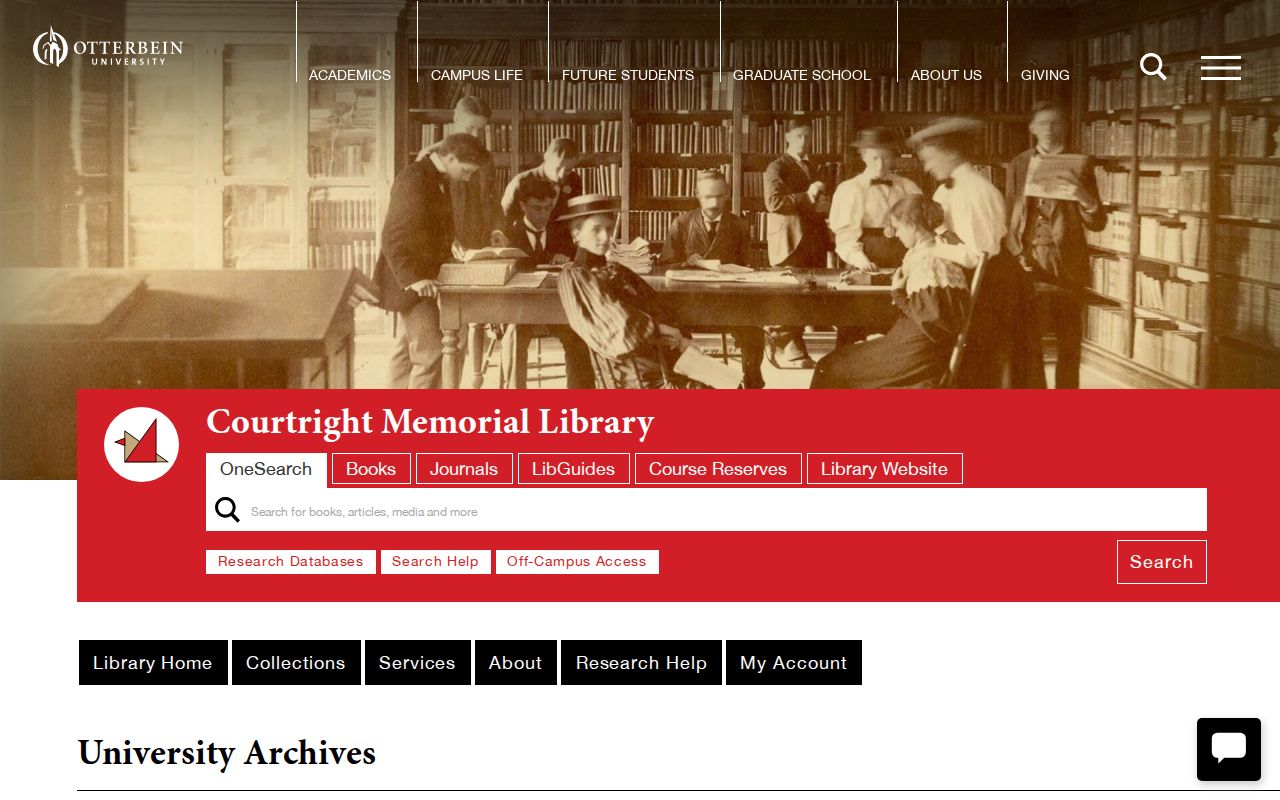
Archive holdings can add local context to a name or place, but an archival reference should be cited on its own terms rather than treated as a directory entry.
Trace a Westerville Household Through Directories
Household tracing works best as a chronology. Begin with a surname, address, or alternate street form in the Museum catalog. Then inspect the dated item and copy the page. The federal census becomes a separate checkpoint when the relevant census year has been released under the 72-year public-release rule. Parcel and deed records can then test whether the place description holds together, while probate, obituary, and death-index material can explain a disappearance from a local record.
- Search the Museum catalog using the surname, address, and any old street or place variation.
- Inspect the directory, announcement, or cataloged item and save its exact date and page reference.
- Compare the result with the appropriate released federal census and its original image.
- Check the parcel and deed trail in the correct county, keeping legal description separate from a mailing address.
- Use an obituary, probate file, or death-index lead to test a family connection or a likely move.
- Check historic maps before assuming the modern street number existed in that year.
A principal adult may be the only person named in an entry. A move, death, different spelling, or unlisted status can all explain a gap. For current, one-person verification after a historical lead is established, use the Westerville resident lookup path rather than extending an old citation into a present-day claim.
When a Westerville Directory Is Missing
When the exact year is not online, a focused request saves time. Museum historical-collection questions can be directed to museum@westervillelibrary.org or 614-882-7277, option 7. Ask whether the Museum holds a Westerville street or telephone directory for a defined year range, whether an address or reverse section exists, and whether staff can identify the edition or publisher. Do not ask staff to infer a household from a broad name list.
The nearby Ohio History Connection Archives & Library is a further route for county and state record groups, microfilm, vital, land, naturalization, newspaper, and other research guides. Search that layer by county, township, and record series as well as Westerville. Historical custody follows geography, and Westerville spans Franklin and Delaware counties.
Note: Treat a directory gap as a source-location problem until the relevant repository confirms the volume is unavailable.